
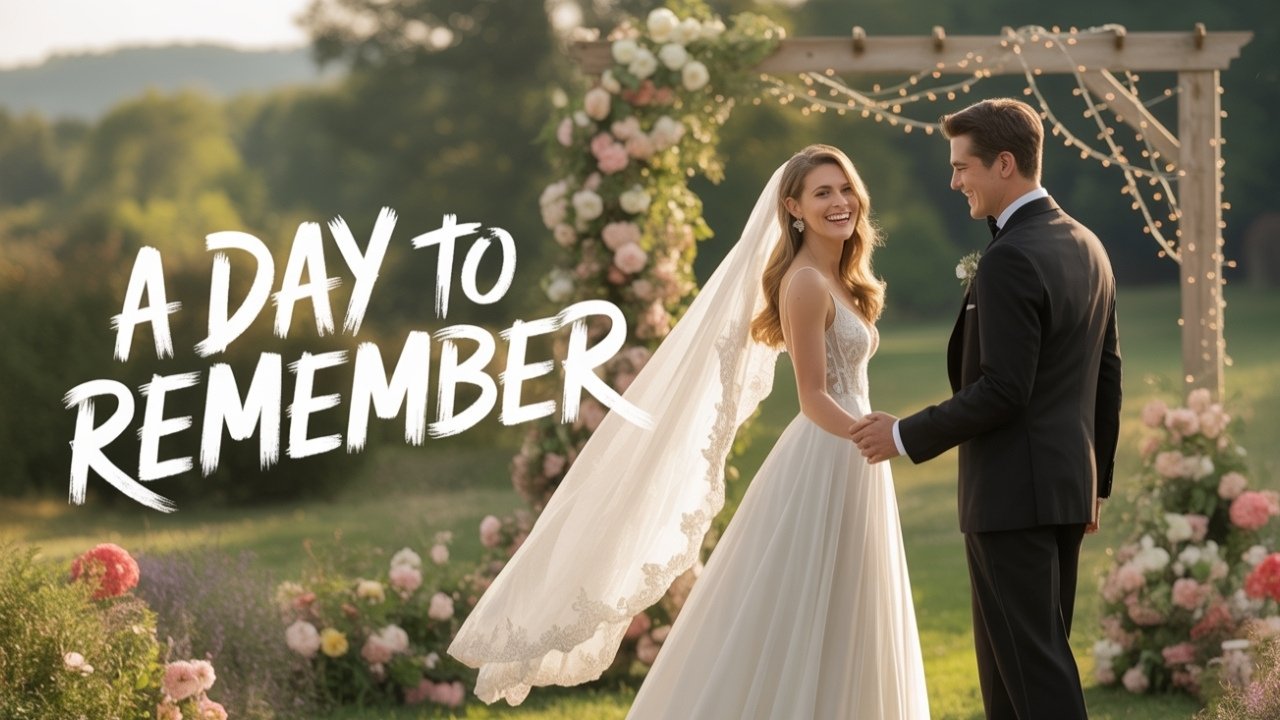
Weddings are one of life’s most beautiful chapters filled with love and laughter and unforgettable moments. You deserve to capture every single smile, tear, and dance move perfectly. However, even the best photographers will tell you — no raw photo is perfect straight out of the camera. This is where photo editing and retouching come to play.
You may have seen both terms — wedding photo editing and wedding photo retouching — used by photographers or post-production services, in many cases interchangeably. However, wedding photo editing and wedding photo retouching and two different levels of enhancement.
So, if you have ever wondered why some wedding photos look naturally polished and some look like they came straight out of a magazine, the secret is understanding the difference between editing and retouching.
Let’s simply and beautifully explain.
1. The Heart of Wedding Photo Editing
Wedding photo editing is the first step, and often the most important step of post-production; it is the moment your photographer improves the basic elements of the image—color, light and composition—to make your photos consistent and attractive.
Editing can be best described as creating harmony between your wedding photographs. It is taking what you’ve already created, and improving upon it, in essence leaving it alone.
What Happens During Wedding Photo Editing?
When professionals edit wedding photos, their goal is to enhance the overall look and feel of the photos. Here are some of the things that take place:
- Color Correction: We fix the white balance, brightness, contrast, and other colors realistic – for example; fixing an orange indoor light, blue outdoor light, or other colors.
- Exposure Adjustment: We balance the light and the shadows of the photo so you don’t lose detail – you’ll still be able to see your perfectly white wedding dress, it shouldn’t be too bright, and your suit shouldn’t fade into the darkness.
- Cropping & Straightening: Sometimes, simply cropping or correcting a tilt gets the composition just perfect.
- Tone & Mood Creation: A lot of couples want a specific tone or mood – warm, moody, airy, vintage – and through the editing process we ensure that style is consistent throughout the photos.
- Batch Editing: Wedding editors batch edit hundreds, if not thousands, of photos into the same style to create a visual consistency across your wedding album.
Example:
Let’s say you had your ceremony outside in warm sunlight, but you held the reception inside a dark hall. Thanks to editing, your entire wedding gallery – from the “I do’s” to the dance floor – will still be cohesive and flow together, even with such drastic lighting in the images.
Editing is a subtle yet powerful thing. It takes raw captures and turns them into a visual experience that is filled with emotion while still looking beautiful and natural.
2. The Art of Wedding Photo Retouching
Next, we come to the next level, wedding photo retouching.
While editing deals with the photo as a whole, retouching concentrates on the photo’s details. It’s all about refining the image to perfection, often reserved for close-up portraits or the biggest moments that may warrant some extra attention.
Retouching enhances the polish- think of it as putting on makeup to your photos. When done correctly, retouching will be invisible. You won’t be able to tell what was “fixed,” but you will be able to tell how nice the photo looks.
What Takes Place with Wedding Photo Retouching?
Here’s what a professional retoucher does when they are working on your wedding portraits or couple pictures:
- Skin Smoothing: Softly reducing blemishes, acne, wrinkles or sweat without compromising the natural texture of the skin.
- Teeth Whitening: Brightening up smiles and bringing them to life.
- Hair Fixing: Removing strands of hair that fell down, or simply filling in small gaps to tidy up the look.
- Dress & Suit Fixes: Removing wrinkles, adjusting folds or fixing small wardrobe malfunctions.
- Background Clean Up: Removing distracting elements like random people walking through the background, electric wires or piles of bricks.
- Object Removal: Taking out objects that shouldn’t be in the shot – trash can in the corner, or the photo-bombing guy in the background.
- Makeup Fixing: Slightly boosting makeup tones or color balance a bit so the bride & groom’s faces will glow naturally.
- Sharpening and Detailing: Highlighting important features, like: eyes, jewelry, bouquet detail, or wedding décor.
Retouching takes time and precision. Unlike batch editing, this process is manual and artistic. Each photo is worked on individually — often taking 20 minutes to an hour per image, depending on complexity.
3. Editing vs. Retouching — The Key Differences
Here’s a simple comparison table to help you see the distinction clearly:
| Aspect | Photo Editing | Photo Retouching |
| Goal | Enhance the overall image | Perfect the finer details |
| Scope | Global adjustments (color, tone, exposure) | Local adjustments (skin, background, objects) |
| Speed | Faster, done in batches | Slower, done individually |
| Tools Used | Lightroom, Capture One | Photoshop |
| Best For | Full wedding galleries | Selected portraits and highlight images |
| Time Per Image | 1–3 minutes | 20–60 minutes |
| End Result | Natural, consistent look | Flawless, polished appearance |
In short — editing prepares your photos for sharing, while retouching prepares them for framing.
4. Why Both Editing and Retouching Matter for Wedding Photography
Every wedding story deserves both consistency and perfection. Editing alone might make your photos look balanced and cinematic, but retouching adds that professional sparkle that makes your portraits magazine-worthy.
Here’s why combining both is essential:
- Editing keeps the story real: It ensures your wedding album reflects the natural atmosphere of your day.
- Retouching keeps the memories flawless: It polishes your best photos — so when you print, frame, or share them, they look timeless.
For example, in your wedding highlight photos (the ones you post on social media, print on canvas, or include in your thank-you cards), retouching will make sure everything looks absolutely stunning.
5. Common Misconception: “Retouching Means Fake”
Many couples fear that retouching will make their wedding photos look fake— like skin made of plastic or overly airbrushed faces. This is a justified concern, especially because inexperienced editors may go overboard. However, professional wedding retouching is not intended to change the way you look. It is intended to make you look your best.
A talented retoucher knows how to remove temporary blemishes, without altering your true self. They retain skin texture, freckles and expressions, so you still look like you.
The best retouching is the retouching you don’t even see.
6. How Professionals Approach Both Processes
Most professional wedding photographers follow a two-stage workflow:
- Editing: All photos (hundreds or thousands) go through a global edit in software like Adobe Lightroom or Capture One.
- Retouching: Then, a smaller selection — usually 30 to 100 highlight photos — are chosen for detailed retouching in Photoshop.
This ensures a balance between affordability, quality, and time efficiency.
Some photographers outsource this work to professional post-production studios like PhotoRetouchify, where experts specialize in both editing and retouching wedding photos.
7. How to Choose What You Need
If you’re a couple:
- Go for editing for your full gallery to get clean, consistent, beautiful images.
- Choose retouching for your favorite portraits, close-ups, or any images you want to print, frame, or share widely.
If you’re a photographer:
- Offer both services as part of different packages.
- Use editing for bulk workflow and retouching as a premium add-on for clients who want perfection.
8. Cost Difference Between Editing and Retouching
Since retouching requires more time and precision, it’s typically priced higher.
- Editing: Usually charged per photo or per batch (e.g., $0.20–$0.50 per image or $100–$200 per wedding).
- Retouching: Priced individually ($2–$10 per photo), depending on complexity and client requirements.
Couples often get a full edited gallery and then pick a few special photos for high-end retouching.
9. The Emotional Impact
You recollect the events of the day when you receive your edited photos. But when you see your retouched pictures, you feel like you are a part of the story.
Editing captures the emotions. Retouching immortalizes them.
And together, it turns your wedding album from an array of pictures into a movie of love, light, and life.
Final Thoughts
As with all photography, editing and retouching go together — one creates the foundation for your wedding day and once your edit is complete, the retouch will help to make the images sing to create a lovely piece of art.
Editing is important to reveal the natural beauty of your wedding day. Retouching is needed to add that professional finished touch that creates a keepsake.
So, when working with a wedding photographer or post-production service, simply ask, “Are my photos edited?”
Ask, “Which photos will be retouched?”
Sometimes the difference between an okay photo to an incredible photograph is only a final touch.
Leave a Reply